When Skincare Isn’t Enough
You’ve tried the cleansers, the serums, the spot treatments. Maybe you’ve gone through several rounds of dermatologist appointments. Some things help temporarily. Then your skin shifts again. Breakouts return along your jawline, your chin, the lower part of your face, often around the same time each month, often when you’re stressed or sleep-deprived. For many adults in Vancouver, this pattern of recurring hormonal breakouts feels endless.
This is hormonal acne. It looks different from regular acne, behaves differently, and responds to treatment differently. The reason topical care often falls short is that hormonal acne starts under the skin, not on it. Surface treatment can manage the symptoms, but the pattern keeps coming back if the underlying drivers stay the same.
If you’re searching for hormonal acne treatment in Vancouver that addresses both the surface and the source, this is the approach.
What Hormonal Acne Actually Is
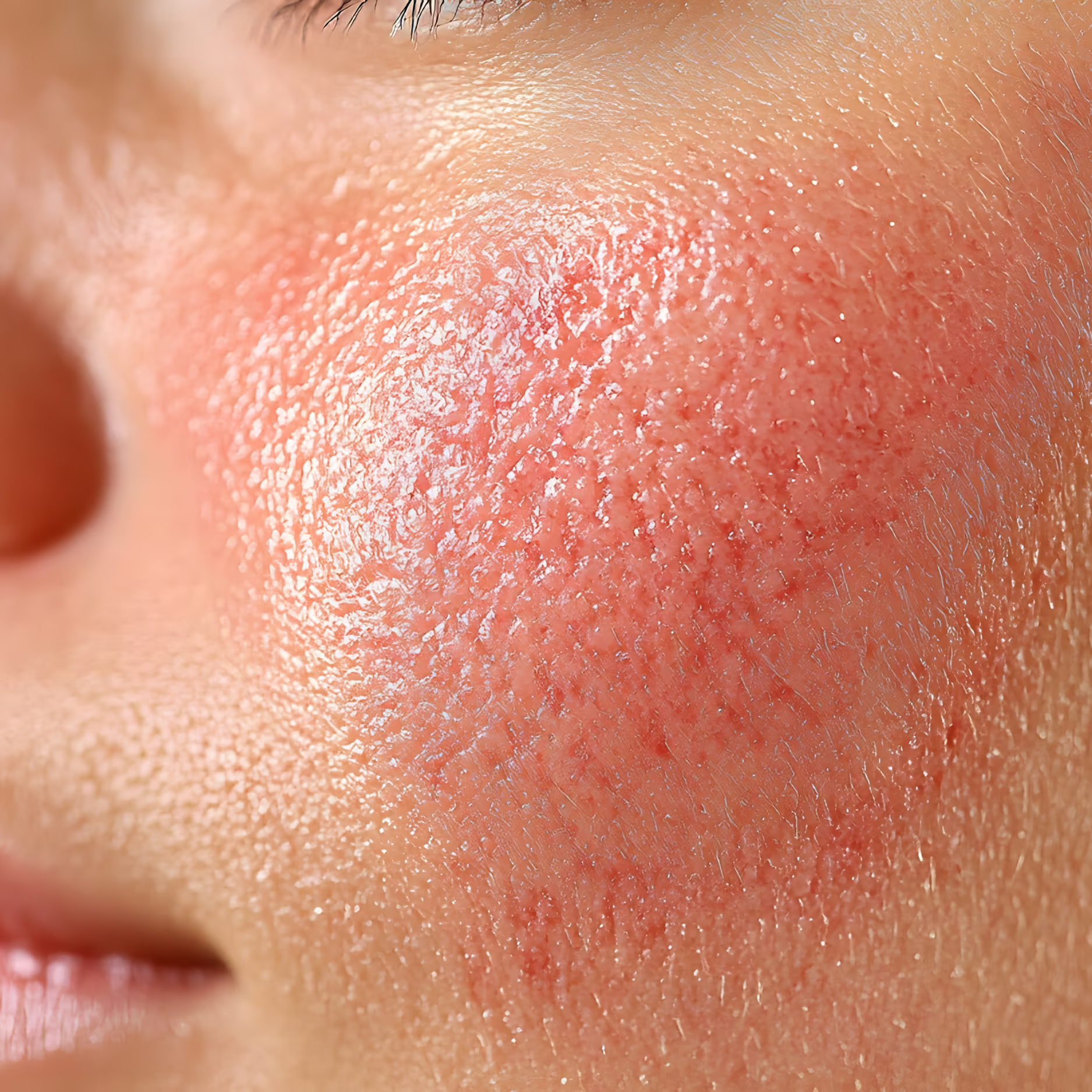
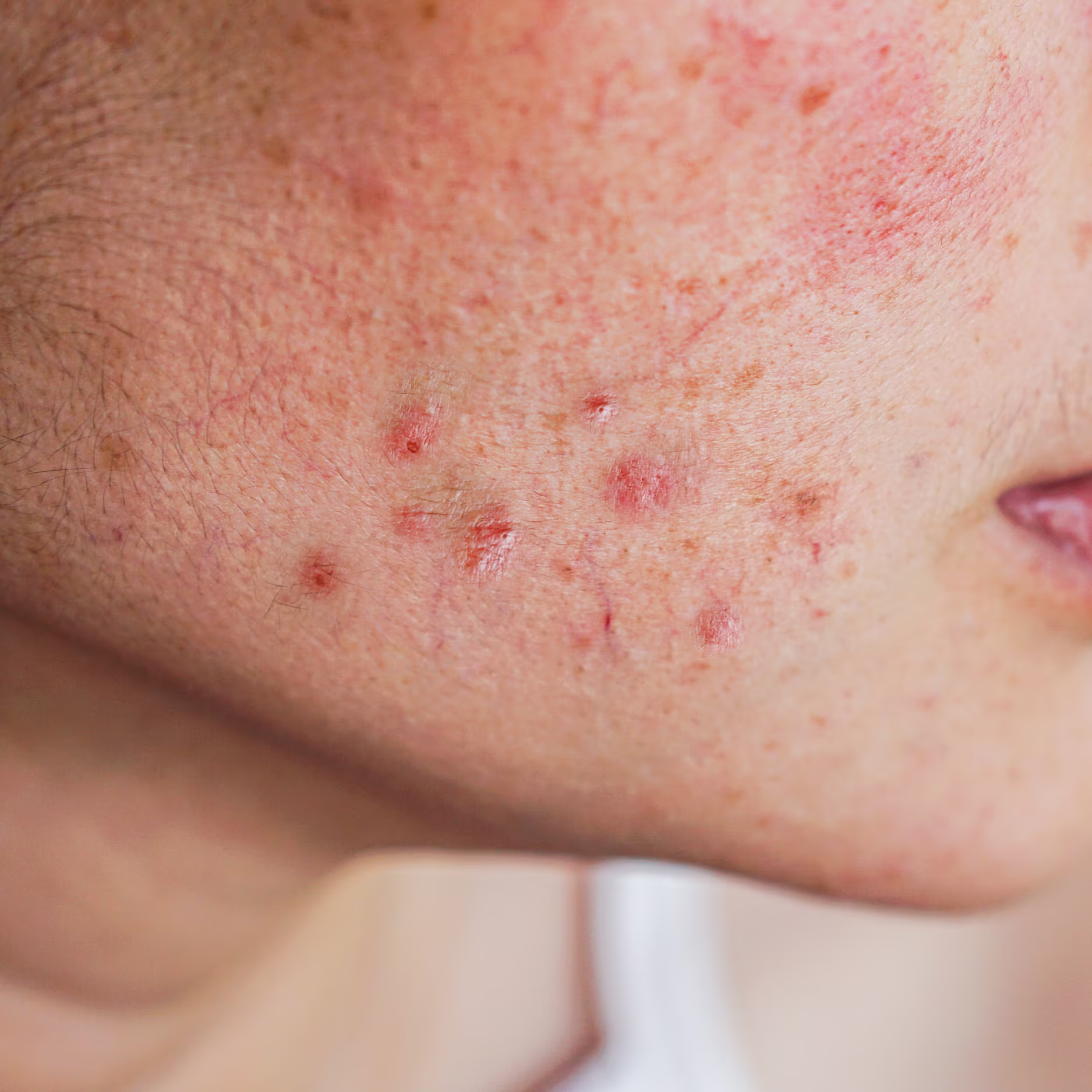
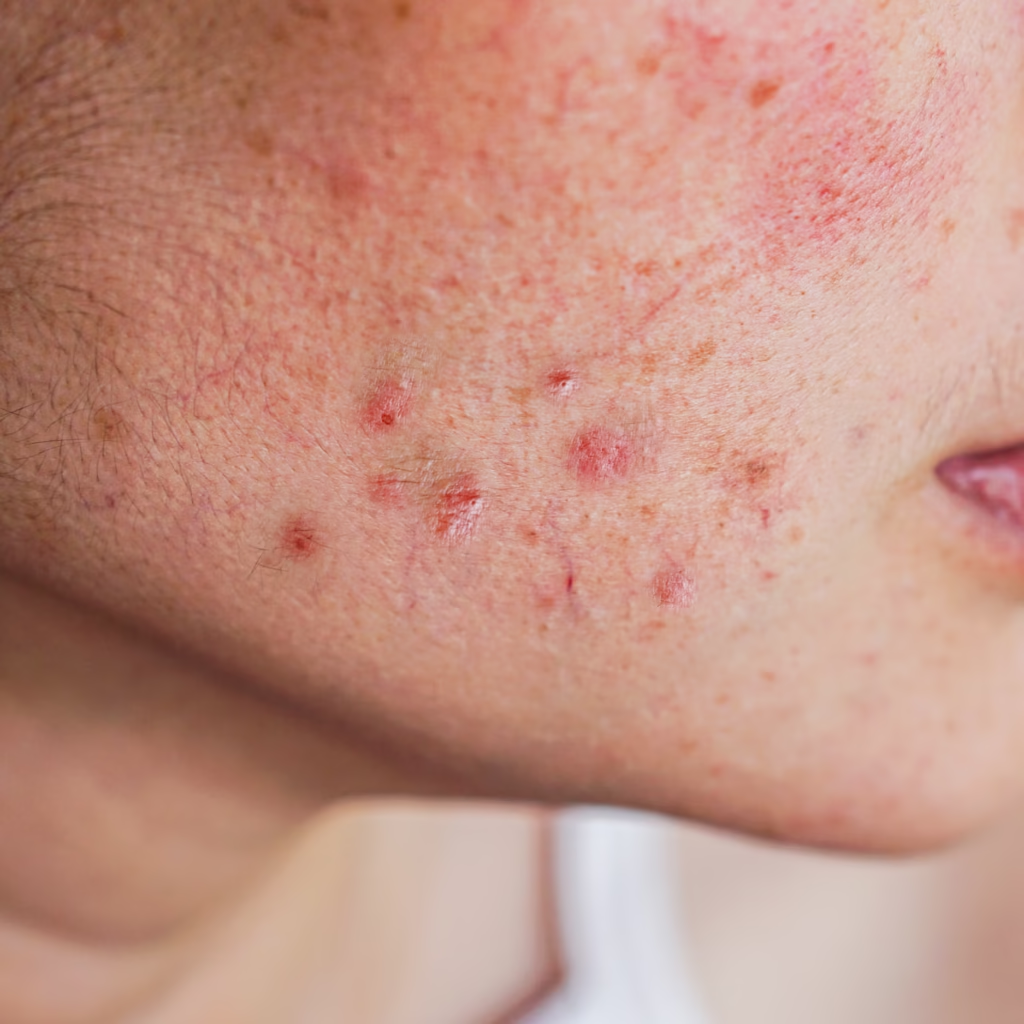
Hormonal acne is a form of adult acne driven by hormonal patterns rather than (or in addition to) the typical clogged-pore, surface-bacteria story. The clearest signs:
Location. It tends to cluster along the jawline, chin, and lower cheeks. Sometimes the neck and upper back. Less common on the forehead and upper face.
Depth. Hormonal breakouts are often deeper, more painful, and more cystic than surface acne. They can take weeks to fully resolve.
Timing. Most hormonal acne flares cyclically. The week or two before a period is the most common window. Stress, poor sleep, and hormonal transitions (post-pill, postpartum, perimenopause) intensify it.
Resistance to topical care. If you’ve been doing the right skincare and nothing seems to stick, hormonal involvement is likely.
The drivers are usually some combination of androgens (testosterone and its derivatives), insulin patterns, cortisol, and inflammation. Sometimes gut health is involved. Sometimes thyroid. Sometimes all of it.
Why Topical Treatment Alone Often Falls Short
Topical care does real work. It manages oil, supports skin barrier function, reduces visible breakouts, and helps with healing. For mild hormonal acne, it can be enough.
For moderate to severe hormonal acne, topical alone often isn’t. The reason is mechanical. If your body is producing more androgens than your skin can handle, no amount of surface treatment changes that production. You’re treating the output, not the input. The breakouts come back as long as the hormonal pattern continues.
Topical treatment manages what’s happening on the skin. The internal layer addresses why it’s happening in the first place.
This is why some people cycle through skincare brands, prescription topicals, and even oral medications without ever getting the lasting clarity they want. The work is incomplete because only one layer is being addressed.
The Two-Layer Approach to Hormonal Acne
An integrative approach to hormonal acne in Vancouver typically involves two parallel tracks:
The External Layer: Aesthetic Consultation and Skincare
Sarah Robbins, FaceCrime’s aesthetic consultant, leads the clinic’s aesthetic consultations. This is where the surface work happens. A typical aesthetic consultation includes a thorough skin assessment, discussion of what you’ve tried, what’s currently in your routine, what your skin actually needs, and a personalized plan that might include skincare adjustments, in-clinic treatments, or both.
For hormonal acne, the external layer often includes targeted topical care, professional treatments like chemical peels or microneedling for active breakouts and post-acne scarring, and ongoing maintenance to support the skin barrier. None of this is one-size-fits-all. Different skin types, different acne presentations, and different goals lead to different plans.
Currently led by Sarah Robbins
FaceCrime’s aesthetic consultations are currently led by Sarah Robbins, the clinic’s aesthetic consultant. Her interest in skin health started with personal experience: watching her mother manage chronic skin conditions, and working through her own experience with acne and melasma. That background shapes how she approaches each consultation.
She combines training in advanced skincare and regenerative treatments with an understanding that comes from having been on the patient side of the chair. The focus is on building personalized, evidence-informed skincare and treatment plans that support both immediate concerns and long-term skin health, alongside the broader FaceCrime team.
→ Book an aesthetic consultationThe Internal Layer: Naturopathic Assessment
The internal work is what addresses why your skin is breaking out in the first place. This is the territory of naturopathic medicine. The Naturopathic Team investigates the patterns that drive hormonal acne: androgen levels, insulin sensitivity, cortisol patterns, gut health, inflammation, and nutrient status.
For hormonal acne specifically, the assessment often explores questions like: Is there underlying insulin resistance? Are androgens elevated? Is the gut microbiome disrupted in ways that affect hormone clearance? Is chronic stress (cortisol) contributing? Is nutrient depletion (zinc, B vitamins, omega-3s) reducing the skin’s capacity to heal?
Lab work often reveals patterns that explain stubborn acne. From there, a personalized plan emerges. This might include dietary shifts, targeted supplementation, sometimes vitamin injections when oral absorption is compromised, and lifestyle adjustments.
How the Two Layers Work Together
Most people get the best results when both layers are addressed together. The aesthetic side manages active breakouts, supports healing, and addresses scarring. The internal side reduces what’s driving the breakouts in the first place.
What we typically see in our clinic is that patients who address both layers tend to need less aggressive topical treatment over time, because the underlying pattern is shifting. Less inflammation. Fewer cyclical flares. Skin that holds healing better and breaks out less in the first place.
This isn’t promised in 30 days. Hormonal acne usually takes 3 to 6 months to meaningfully shift, and a year for full resolution if patterns have been longstanding. The work is real. So are the results.
Common Drivers of Hormonal Acne in Vancouver Adults
Androgen Excess
Testosterone and its more potent derivatives can drive sebum production and cellular changes that lead to clogged pores. Common in PCOS, but also in many people without PCOS. Often shows up as jawline and chin acne.
Insulin Resistance
When insulin runs high, it can stimulate androgen production and inflammation. Diet, stress, and sleep all influence insulin patterns. Addressing this can shift acne even when androgens themselves aren’t dramatically elevated.
Cortisol and Stress
Chronic stress elevates cortisol, which influences both androgens and inflammation. Acne that flares predictably during stressful periods often has a cortisol component. (For more on the broader effects of chronic stress on the body, see our burnout recovery guide.)
Gut Health and Inflammation
The gut influences hormone clearance, inflammation, and immune function. Gut dysbiosis or intestinal permeability often shows up on the skin. Acne that doesn’t respond to surface treatment sometimes responds well to gut support.
Post-Pill Rebound
Coming off hormonal birth control often triggers a wave of acne as the body recalibrates its own hormone production. This isn’t a sign that something is wrong; it’s the system finding its rhythm again. Support during this transition often shortens it.
PCOS and Polycystic Patterns
PCOS commonly drives adult acne through elevated androgens and insulin resistance. If your acne came alongside cycle changes, weight changes, or other signs, exploring PCOS may be relevant. Our PCOS naturopath guide covers this in depth.
Perimenopause
The hormonal shifts of perimenopause can trigger adult acne in people who haven’t broken out since their teens. This responds to support tailored to where you are in the transition.
What an Aesthetic Consultation for Hormonal Acne Looks Like
The aesthetic consultation is the natural starting point if you want to address the surface layer first. A typical consultation includes:
Skin assessment. What you’re seeing, where the breakouts are, what they look like, how long they last, what makes them better or worse. Sarah examines your skin in detail to understand the pattern.
Routine review. What you’re currently using, what’s helped, what’s irritated your skin, what you’ve tried and dropped. Often the routine itself is part of the problem.
Personalized plan. A skincare plan tailored to your skin type and acne pattern. This might be all that’s needed for some people. For others, it’s the foundation that other treatments build on.
Treatment options discussion. If your acne would benefit from in-clinic treatments (chemical peels, microneedling, laser support for scarring), Sarah explains the options and helps you decide what makes sense.
Discussion of internal factors. If your pattern suggests internal drivers (cyclical timing, deep cystic breakouts, resistance to topical care), Sarah may suggest a naturopathic consultation to explore the hormonal side. Both consultations are available through FaceCrime, often coordinated as part of one broader plan.
What to Expect: Realistic Timelines
Hormonal acne moves slowly. Worth saying upfront because false expectations make the work harder.
Topical changes can show effects within 4 to 8 weeks. You might see less inflammation, fewer new breakouts, faster healing of existing ones. This is the surface layer responding.
Hormonal shifts take longer. Hormones operate on cyclical timelines, often monthly. Meaningful change in a hormonal pattern usually takes 3 to 6 months minimum to show up clearly. Sometimes the first signs are subtle: a less intense flare that month, a faster resolution of breakouts, fewer new ones forming.
By 6 to 12 months of consistent work on both layers, most people see substantial change. Skin that breaks out less in the first place. Faster healing. Less scarring. A pattern that’s noticeably calmer than it was.
This is slow work compared to a quick course of antibiotics or aggressive topical treatment. It’s also more sustainable, because you’re addressing the actual drivers, not suppressing the symptoms while the underlying pattern continues.
Ready to Address Hormonal Acne?
If you’re in Vancouver and dealing with hormonal or adult acne that hasn’t responded to skincare alone, the aesthetic consultation is a clear starting point. You’ll leave with a better understanding of what your skin needs, a personalized plan, and a path forward whether that’s surface work alone or both layers together.
If your pattern strongly suggests internal drivers, you can also start with a naturopathic consultation. Both paths converge on the same goal.
Common Questions About Hormonal Acne Treatment
What is hormonal acne and how is it different from regular acne?
Hormonal acne typically appears along the jawline, chin, and lower face. It often flares around the menstrual cycle, increases under stress, and tends to be deep and cystic rather than surface-level. Regular acne can appear anywhere and is usually driven by clogged pores or surface bacteria. Hormonal acne is driven by underlying hormonal patterns like androgens, insulin, and cortisol.
Can I treat hormonal acne with skincare alone?
Topical skincare can help manage hormonal acne, but addressing the underlying hormonal patterns often produces longer-lasting results. Many people see meaningful improvement when they combine targeted skincare with internal support for hormones, gut health, and inflammation.
How long does it take to see results with hormonal acne treatment?
Topical changes can show effects within 4 to 8 weeks. Hormonal shifts take longer, usually 3 to 6 months minimum, because hormones move on cyclical timelines. Most people who address both layers see meaningful results within 3 to 6 months, with continued improvement over a year.
Do I need to see a naturopath if I just want clearer skin?
Not necessarily. Some people get clear results with topical and aesthetic treatment alone. Others find that without addressing the underlying hormonal patterns, breakouts keep returning. The aesthetic consultation can help you decide which path makes sense for your specific picture.
Is hormonal acne related to PCOS?
PCOS often causes hormonal acne, but not all hormonal acne is from PCOS. Stress, perimenopause, post-pill rebound, gut inflammation, and other patterns can also drive it. Assessment helps identify which pattern is most likely driving your specific case.
Where do I start: an aesthetic consultation or a naturopathic consultation?
Either works as a starting point. The aesthetic consultation focuses on skincare and treatment options. The naturopathic consultation focuses on internal hormonal patterns. Many people start with one and add the other based on what they learn. Both are available through FaceCrime.
The Takeaway
Hormonal acne is real, frustrating, and often misunderstood. Most of it isn’t a skincare failure. It’s a hormonal pattern showing up on the surface of the skin.
Treating only one layer often produces partial results that don’t last. Treating both layers (the surface and the source) tends to produce results that hold over time.
If you’ve been cycling through skincare looking for the one product that finally works, the aesthetic consultation is a good place to recalibrate. You’ll get a clearer picture of what your skin actually needs, what’s worth trying, and whether the internal layer should be part of the conversation too.