When Your Skin Reacts to Everything
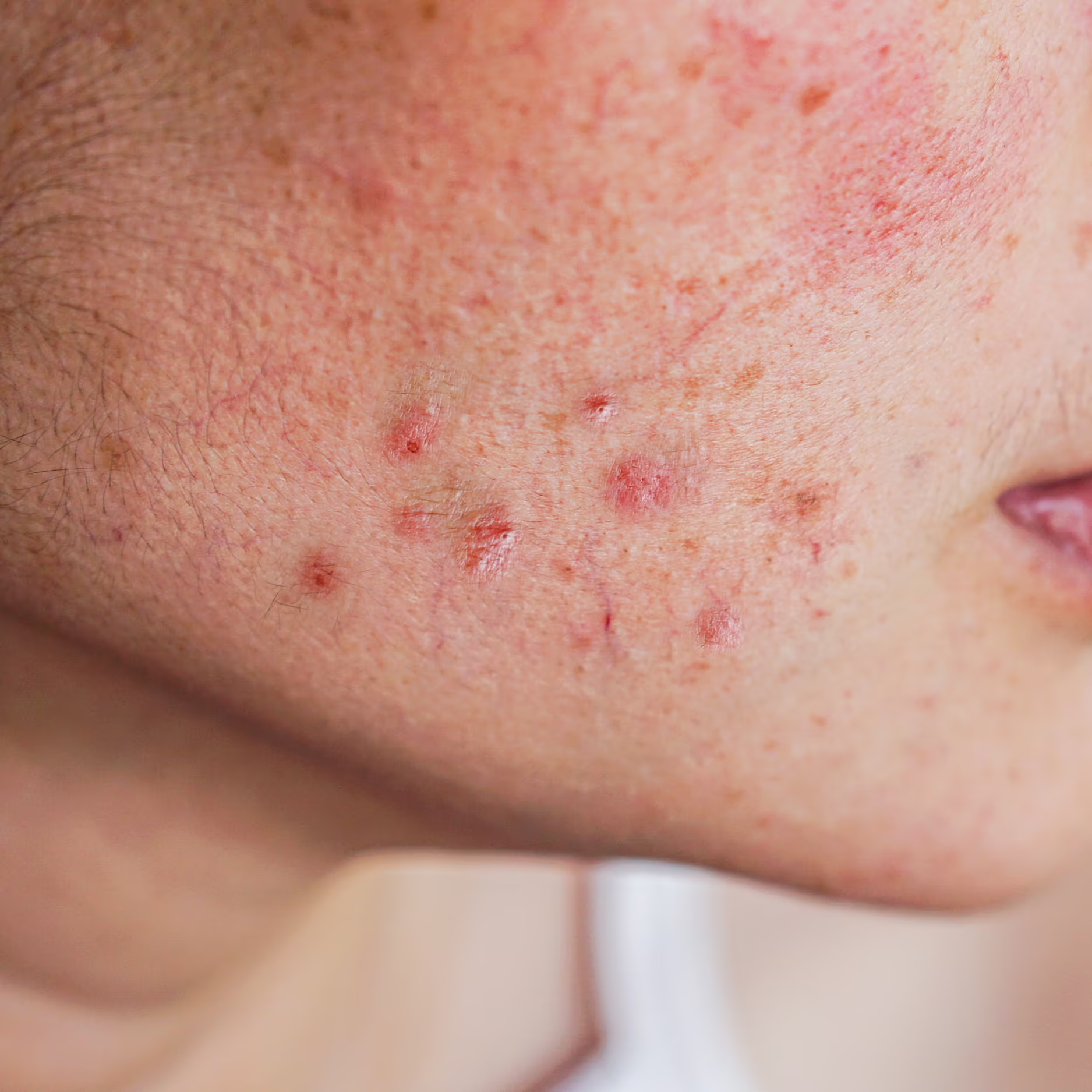
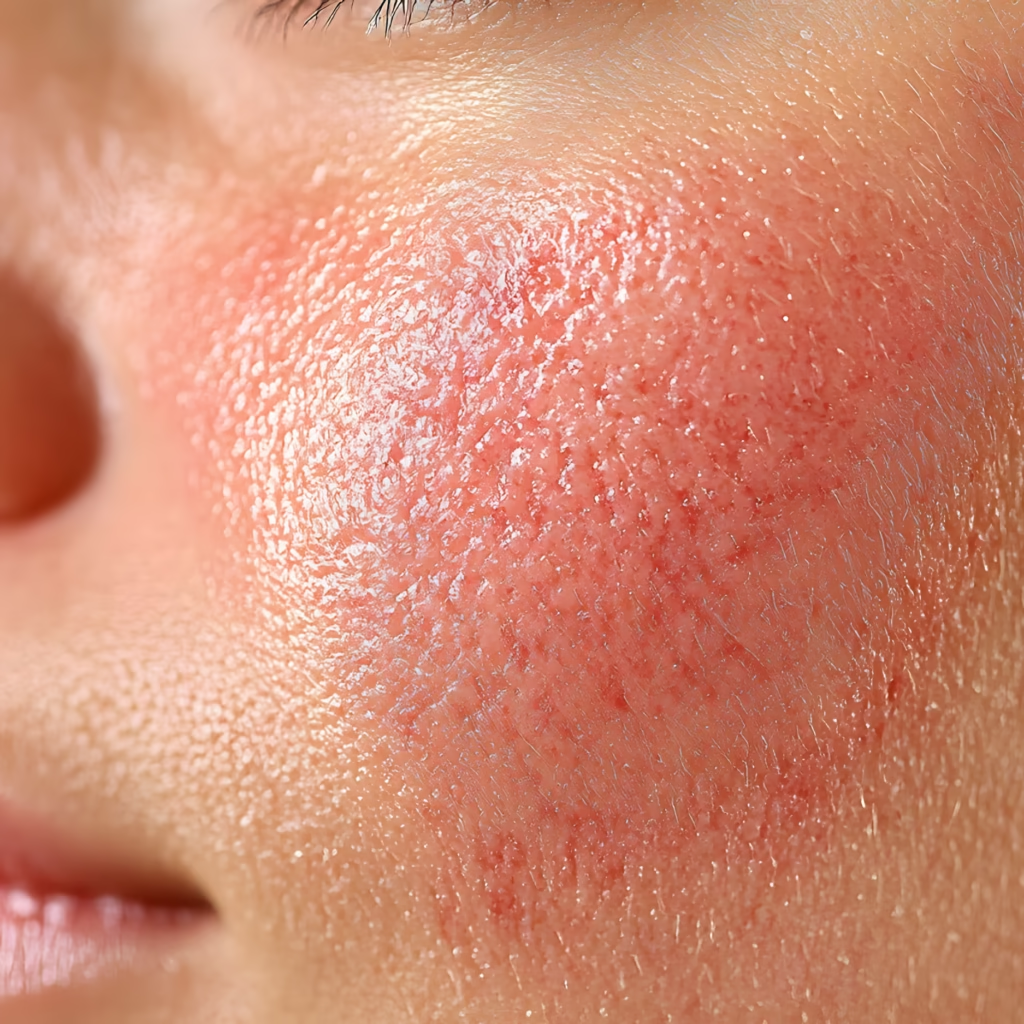
The redness comes and goes. Some days your face feels calm, other days it flushes for no clear reason. Wine triggers it. Spicy food triggers it. Heat, cold, sun, stress, certain skincare products. The visible blood vessels you used to be able to ignore are more noticeable now. Sometimes there are small bumps that look like acne but don’t behave like it.
This is rosacea. For many adults in Vancouver, it shows up in their thirties or forties, often after years of progressively more reactive skin. It’s frustrating, persistent, and often poorly understood, even by people who’ve been managing it for years.
If you’re searching for rosacea treatment in Vancouver that goes beyond cycling through topical creams, this is the approach.
What Rosacea Actually Is
Rosacea is a chronic inflammatory skin condition. The visible signs (persistent redness, flushing, visible blood vessels, sometimes small inflammatory bumps) are the surface of something more complex happening underneath. Vascular reactivity, immune dysregulation, and inflammation all play roles.
It typically presents in one of several patterns:
Erythematotelangiectatic (ETR). Persistent facial redness with visible blood vessels. The most common type.
Papulopustular. Redness combined with small inflammatory bumps that can look like acne. This type is most often confused with adult or hormonal acne, though the underlying mechanisms are different.
Phymatous. Skin thickening, often around the nose. Less common, more advanced.
Ocular. Eye involvement: dryness, irritation, redness. Often missed because people don’t connect it to their facial rosacea.
Most people have a mix of features, with one type being dominant. The pattern matters because different presentations respond to different approaches.
Why Topical Treatment Alone Often Falls Short
Topical treatments do real work for rosacea. Prescription topicals, gentle skincare, sun protection, and avoiding triggers can meaningfully reduce flares. For mild rosacea, this is sometimes enough.
For moderate or persistent rosacea, topical alone often falls short. The reason is that rosacea isn’t just a skin problem. It’s an inflammatory condition that shows up on the skin. Treating only the surface manages the symptoms while the underlying drivers continue.
Rosacea is what inflammation looks like on the face. Treating the redness without addressing the inflammation often produces partial results that don’t last.
This is why so many people with rosacea report a frustrating cycle: a treatment works for a while, then loses effectiveness. New triggers seem to appear. The pattern shifts. The work has to keep restarting because the underlying inflammation hasn’t been addressed.
The Gut-Skin Connection in Rosacea
One of the strongest research-backed angles in modern rosacea care is the gut-skin axis. Multiple studies link rosacea to gastrointestinal conditions:
Small intestinal bacterial overgrowth (SIBO). SIBO appears more frequently in people with rosacea than in the general population. Research has explored connections between SIBO management and rosacea symptoms, with promising findings in some studies.
H. pylori infection. H. pylori (a stomach bacterium) is associated with rosacea in some studies. Research has examined whether addressing H. pylori may influence skin symptoms for some people.
Gut dysbiosis. Imbalances in the gut microbiome can drive systemic inflammation that shows up on the face.
Intestinal permeability. When the gut barrier is compromised, inflammatory signals enter the bloodstream and can trigger skin inflammation.
This isn’t fringe science. The gut-skin axis is increasingly recognized in dermatology research, and addressing gut health has become a credible part of integrative rosacea care.
The Two-Layer Approach to Rosacea
An integrative approach to rosacea in Vancouver typically involves two parallel tracks:
The External Layer: Aesthetic Consultation and Skincare
The aesthetic side focuses on what’s happening on the skin: gentle, barrier-supportive skincare; trigger management; sun protection; and treatments that target visible redness, broken capillaries, or inflammatory bumps. (Our broader approach to skin health is covered in our naturopathic aesthetics guide.) Laser treatments can help reduce visible blood vessels and persistent redness for some presentations of rosacea, particularly the erythematotelangiectatic type.
The aesthetic consultation also helps you sort through what’s already in your routine. Many people with rosacea unintentionally use products that make their skin worse, sometimes for years. A consultation that actually looks at your skin and your routine often reveals quick wins.
Currently led by Sarah Robbins
FaceCrime’s aesthetic consultations are currently led by Sarah Robbins, the clinic’s aesthetic consultant. Her interest in skin health started with personal experience: watching her mother manage chronic skin conditions, and working through her own experience with acne and melasma. That background shapes how she approaches each consultation.
For people dealing with rosacea, the consultation is a chance to assess your specific presentation, review what’s working and what isn’t, and build a personalized skincare and treatment plan that supports calmer skin over time. The focus is on personalized, evidence-informed skincare and treatment plans alongside the broader FaceCrime team.
→ Book an aesthetic consultationThe Internal Layer: Naturopathic Assessment
The internal work is what addresses why your skin is inflamed in the first place. This is the territory of naturopathic medicine. The Naturopathic Team investigates the patterns that often drive rosacea: gut health, dietary triggers, systemic inflammation, immune dysregulation, and stress.
For rosacea specifically, the assessment often explores questions like: Are there signs of SIBO or other gut imbalances? Are dietary triggers contributing? Is there underlying inflammation that needs addressing? How is stress affecting flares? Are nutrient deficiencies (zinc, omega-3s, B vitamins) reducing the skin’s resilience?
From there, a personalized plan emerges. This often includes dietary investigation, gut healing support, targeted supplementation, and stress management. For some people, conventional medical care for things like SIBO is part of the plan, with collaboration between providers.
How the Two Layers Work Together
Most people with rosacea get the best results when both layers are addressed together. The aesthetic side reduces visible symptoms, supports the skin barrier, and addresses things like persistent redness and broken capillaries. The internal side reduces what’s driving the inflammation in the first place.
What we typically see in our clinic is that patients who address both layers tend to have fewer flares over time, less reactivity to triggers, and skin that holds calmer baseline appearance. This isn’t a quick reversal. It’s the slow shift of a chronic inflammatory pattern toward something more stable.
Rosacea is considered chronic. The realistic goal is meaningful improvement and long-term management, not permanent reversal. That said, “meaningful improvement” can be substantial: significantly reduced flares, less reactivity, calmer baseline appearance, and a much better quality of life around your skin.
Common Triggers and Drivers of Rosacea in Vancouver Adults
Dietary Triggers
Common dietary triggers include alcohol (especially red wine), spicy foods, hot beverages, and high-histamine foods. Some people have additional individual triggers that don’t show up on standard lists. An elimination and reintroduction process can help identify personal patterns.
Gut Health
SIBO, H. pylori, and gut dysbiosis appear more frequently in people with rosacea than in the general population. The gut-skin connection is one of the more researched angles in integrative rosacea care, and addressing gut health may support broader skin health for some people.
Inflammation
Chronic systemic inflammation drives rosacea. Reducing inflammation through dietary changes, addressing food sensitivities, and supporting gut health often calms skin inflammation as a result. Hormonal patterns can also influence inflammation; for people with hormone-related skin concerns, our PCOS naturopath guide covers the broader hormonal picture.
Stress and Cortisol
Stress is one of the most commonly reported rosacea triggers. Chronic stress drives inflammation and reactivity. Supporting the nervous system and stress response often reduces frequency and severity of flares. (For more on chronic stress and the body, see our burnout recovery guide.)
Environmental Triggers
Sun, heat, cold, wind, and humidity can all trigger flares. Sun protection is foundational. Other environmental factors are managed by adjusting routines and practices around known triggers.
Vascular Reactivity
Some people have inherently more reactive blood vessels. This is a baseline factor that can be supported but not eliminated. Treatments that target visible vessels (like vascular laser) can help with appearance.
Demodex Mites
Higher demodex mite populations have been documented in some rosacea patients. Topical treatments that address this can be part of a plan when relevant.
What an Aesthetic Consultation for Rosacea Looks Like
The aesthetic consultation is a clear starting point if you want to address the surface layer first. A typical consultation includes:
Skin assessment. What type of rosacea presentation you have, what your baseline looks like, what flares look like, what triggers you’ve identified. Sarah examines your skin in detail.
Routine review. What you’re currently using, what’s helped, what’s irritated your skin. Many people with rosacea have layered products that worked for a while but are now contributing to reactivity.
Personalized plan. A skincare plan tailored to rosacea-prone skin: barrier support, gentle cleansers, targeted active ingredients where appropriate. The goal is reducing reactivity and supporting skin function.
Treatment options discussion. If your presentation would benefit from in-clinic treatments like laser for visible vessels or persistent redness, Sarah explains the options and helps you decide.
Discussion of internal factors. If your pattern strongly suggests internal drivers (digestive symptoms, food triggers, stress-driven flares), Sarah may suggest a naturopathic consultation to explore the gut and inflammation side. Both consultations are available through FaceCrime.
What to Expect: Realistic Timelines
Rosacea moves slowly. It’s chronic, multifactorial, and rarely responds to anything overnight. Worth saying upfront so expectations are realistic.
Most people notice early shifts within 6 to 12 weeks of consistent work. Reduced reactivity. Fewer flares. Maybe slightly calmer baseline redness. These are real improvements, but they’re early signals, not the destination.
Substantial change in baseline appearance usually takes 3 to 6 months of work on both layers. By that point, many people see meaningfully reduced redness, fewer broken capillaries (especially with treatment support), and significantly less reactivity to known triggers.
By 6 to 12 months, the picture often looks quite different from where it started. Skin that’s calmer in everyday life. Triggers that feel manageable rather than dominant. Less mental energy spent worrying about your skin.
Because rosacea is chronic, ongoing maintenance is part of the plan even after substantial improvement. The work isn’t endless and intense, but the underlying patterns benefit from ongoing support.
Working Alongside Your Dermatologist
If you’re seeing a dermatologist in Vancouver for rosacea, integrative care works alongside that, not instead of it. Dermatologists handle prescription topicals, oral medications when appropriate, and conventional medical management. Naturopathic care investigates underlying contributors like gut health, inflammation, and stress.
Many people benefit from both. Your dermatologist might prescribe topical metronidazole or oral antibiotics during a flare. The Naturopathic Team might investigate why the inflammation is happening in the first place. As underlying patterns shift, conventional treatments sometimes become less central to the plan, with input from your prescribing provider.
FaceCrime actively supports this collaboration. We work with the providers you already trust.
Ready to Address Rosacea?
If you’re in Vancouver and dealing with rosacea, the aesthetic consultation is a clear starting point. You’ll leave with a better understanding of your specific presentation, what your skin actually needs, and a path forward whether that’s surface work alone or both layers together.
If your pattern strongly suggests gut or inflammation drivers, you can also start with a naturopathic consultation. Both paths converge on the same goal: less reactive, calmer skin over time.
Common Questions About Rosacea Treatment
What causes rosacea?
Rosacea is multifactorial. Common contributors include gut inflammation and dysbiosis, vascular reactivity, immune system dysregulation, demodex mites, environmental triggers, and chronic stress. Most people with rosacea have several contributors at once, which is why a single treatment often does not produce lasting results.
Can rosacea be cured?
Rosacea is considered a chronic condition. The realistic goal is meaningful improvement and long-term management, not permanent reversal. Many people see substantial reduction in flares, redness, and sensitivity when they address both the surface and underlying drivers like gut health and inflammation.
Should I see a dermatologist or a naturopath for rosacea?
Both can help, and many people benefit from working with both. Dermatologists handle prescription topicals and conventional medical management. Naturopathic care investigates underlying contributors like gut health, inflammation, and stress. The two approaches work alongside each other, not against.
What does the gut have to do with rosacea?
Research increasingly explores connections between gut health and skin conditions including rosacea. Conditions like SIBO and H. pylori infection appear more often in people with rosacea than in the general population. Gut inflammation may contribute to systemic inflammation that shows up as facial redness and reactivity. Addressing gut health may support skin symptoms in ways topical treatment cannot always reach.
Will laser treatment help my rosacea?
Laser treatments can help reduce visible redness and broken capillaries for some types of rosacea. Whether laser is right for you depends on your specific presentation. An aesthetic consultation can help you understand the options and decide if laser is part of a sensible plan.
How long does it take to see improvement with rosacea treatment?
Most people notice early shifts within 6 to 12 weeks of consistent work, often starting with reduced reactivity and fewer flares. Substantial change in baseline redness usually takes 3 to 6 months. Because rosacea is chronic, ongoing maintenance is part of the plan even after meaningful improvement.
The Takeaway
Rosacea is real, chronic, and often misunderstood. It isn’t something you have to keep cycling through products to barely manage. The condition responds to thoughtful, sustained work, especially when both the surface and the underlying drivers are addressed.
If you’ve been dealing with rosacea for years and feel like you’ve tried everything, the conversation that might be missing is the one about what’s happening underneath. Gut health, inflammation, and stress patterns often turn out to be central to the story, even for people who have been told their rosacea is just “one of those things.”
The aesthetic consultation is a clear starting point. From there, the path forward becomes clearer. Either layer alone can help. Both together tend to produce results that hold over time. The choice is yours.
Related Posts
Rosacea Treatment Vancouver: Why the Gut-Skin Connection Matters