
The Challenge of PCOS in Vancouver
Polycystic ovary syndrome (PCOS) affects roughly 1 in 10 women of reproductive age. If you're one of them, you've probably felt the gap between the standard treatment options and what your body actually needs.
Maybe your cycles are unpredictable. Maybe you've been told to "just take the pill" or wait until you want to conceive. Maybe you've tried diet changes that worked for someone else but not you. Or maybe you're frustrated that no one has explained why this is happening in the first place.
If you're searching for a PCOS naturopath in Vancouver who takes a root-cause approach instead, this might be what you're looking for.
A naturopathic approach won't replace conventional medicine. It works alongside it, asking different questions and looking at the connections your other providers might not have time to investigate.
How Naturopathic Medicine Views PCOS
Conventional PCOS care usually focuses on managing symptoms. Irregular periods, insulin resistance, fertility concerns. That work matters. But it doesn't always answer the underlying question: why is your body responding this way?
Naturopathic medicine often starts with that question. For PCOS, the relevant systems include:
Hormonal balance. Not just ovarian androgens, but how cortisol, thyroid, estrogen, and progesterone interact. Stress and sleep quality directly influence these pathways.
Insulin metabolism. Many people with PCOS have some degree of insulin resistance, though not everyone. Looking at dietary patterns, nutrient status, and metabolic flexibility often reveals where things are going off track.
Gut health. Research increasingly suggests gut inflammation and microbiome imbalance may contribute to hormonal dysregulation. This is worth investigating systematically rather than guessing.
Inflammation. PCOS often involves chronic, low-grade inflammation. The useful question isn't whether inflammation is present. It's where it's coming from.
Stress and nervous system regulation. Elevated cortisol worsens insulin resistance and disrupts progesterone. Many treatment plans skip this entirely.
These aren't alternative ideas. They're physiological systems that influence each other, and addressing them in isolation rarely produces lasting change. In our clinic, we consistently see that people who address even two or three of these areas together get better results than those who focus narrowly on one, whether that's diet alone or supplements alone.
What a Naturopathic PCOS Consultation Looks Like
At FaceCrime Skin Labs, the Naturopathic Team approaches PCOS by understanding your specific picture first. There's no protocol that fits everyone.
A typical consultation includes:
Detailed intake. Your cycle history, energy patterns, digestion, stress levels, family history, and what you've already tried. Context shapes the whole plan.
Functional lab work. Often deeper than standard panels. Inflammatory markers, complete thyroid function, cortisol rhythm, detailed glucose and insulin dynamics, depending on what makes sense for you.
Dietary discussion. Not restriction or fad diets. The goal is finding what supports your hormonal stability and energy. Some people thrive on lower-carb approaches; others don't. Testing reveals what's actually true for your body.
Supplement and herbal support. Evidence-informed botanicals and nutrients can support hormone metabolism, lower inflammation, and improve insulin sensitivity. For some people, targeted vitamin injections become part of nutrient repletion when oral supplementation isn't enough. Only the ones that fit your situation.
Lifestyle integration. Sleep, movement, stress management, cycle awareness. These aren't bonus items. They're the foundation.
Ongoing collaboration. You'll recheck labs, adjust the plan, and build practices that hold up over time.
Areas Naturopaths Investigate in PCOS
Every PCOS picture is different, but the same handful of systems usually need attention.
Hormone Metabolism
The liver and gut play central roles in clearing estrogen from your body. Sluggish detoxification can worsen hormonal imbalance. Liver support, bile flow, and gut barrier integrity often factor into the hormone strategy.
Insulin and Metabolic Health
Insulin resistance doesn't always require medication. Specific nutrients, strategic carbohydrate timing, and targeted exercise may improve insulin sensitivity for some people. When blood sugar steadies out, energy and cycle regularity often follow.
Inflammation
PCOS involves chronic inflammation. Where it's coming from varies. Common contributors include processed foods, refined carbohydrates, certain seed oils, gut permeability, low omega-3 status, poor antioxidant capacity, and chronic stress.
Thyroid Function
Studies suggest thyroid disorders occur two to three times more frequently in people with PCOS. Full thyroid assessment (not just TSH) is part of standard naturopathic workup. Supporting thyroid function often improves metabolism and cycle regularity.
Gut and Microbiome Health
The gut-hormone axis is real. Emerging research links gut dysbiosis and increased intestinal permeability to systemic inflammation and hormonal dysregulation in PCOS. Diet, targeted probiotics, and gut-healing nutrients can shift this.
Stress and Cortisol
Chronic stress raises cortisol, which interferes with progesterone and worsens insulin resistance. Nervous system support and stress-reduction strategies belong in any PCOS protocol. (For more on how chronic stress affects the body and what naturopathic recovery looks like, see our guide to burnout recovery in Vancouver.)
Naturopathic Care Alongside Conventional Medicine
Naturopathic medicine and conventional medicine aren't competitors. They're asking different questions and looking for different insights.
Your OB/GYN asks: does she have PCOS? A naturopathic approach asks: why is her body responding this way?
The reality is that many people get better results working with both frameworks at the same time. You might see a reproductive endocrinologist for diagnosis and monitoring while also working with a naturopath to investigate what's actually driving your symptoms. If you're taking medications, they may need adjusting as your metabolic markers improve, and that conversation happens with your prescribing doctor.
FaceCrime actively supports this collaboration. We work with, not against, the providers you already trust.
The FaceCrime Approach
PCOS care at FaceCrime Skin Labs goes beyond isolated symptoms. The work integrates several supporting modalities:
Naturopathic medicine. Root-cause assessment, herbal and nutritional support, lifestyle planning.
IV nutrient therapy. For some people, IV-based support becomes part of the care plan when the team determines it's clinically appropriate. Each person's plan is individualized based on their assessment and goals. This is offered as an option, not a requirement for PCOS care to be effective.
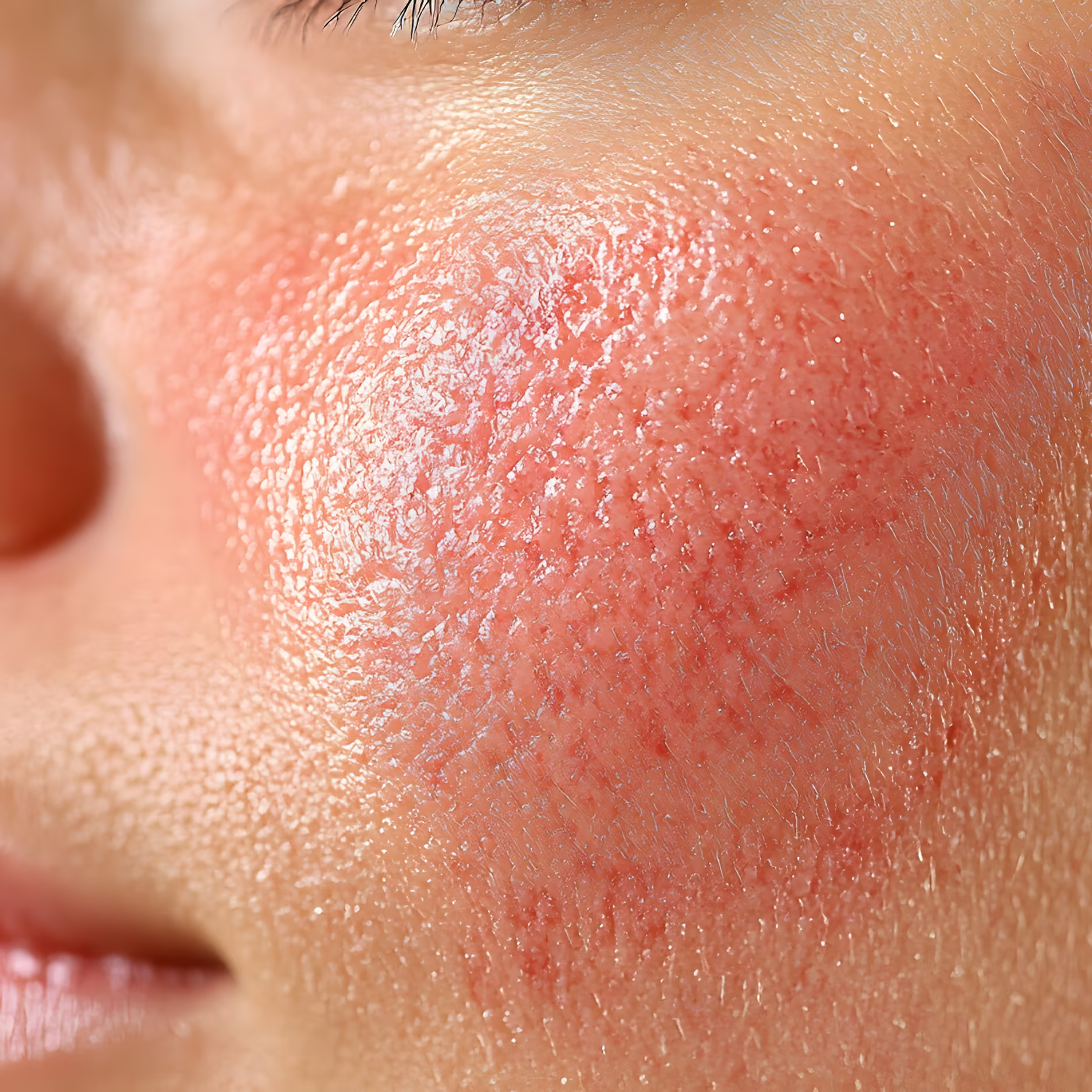
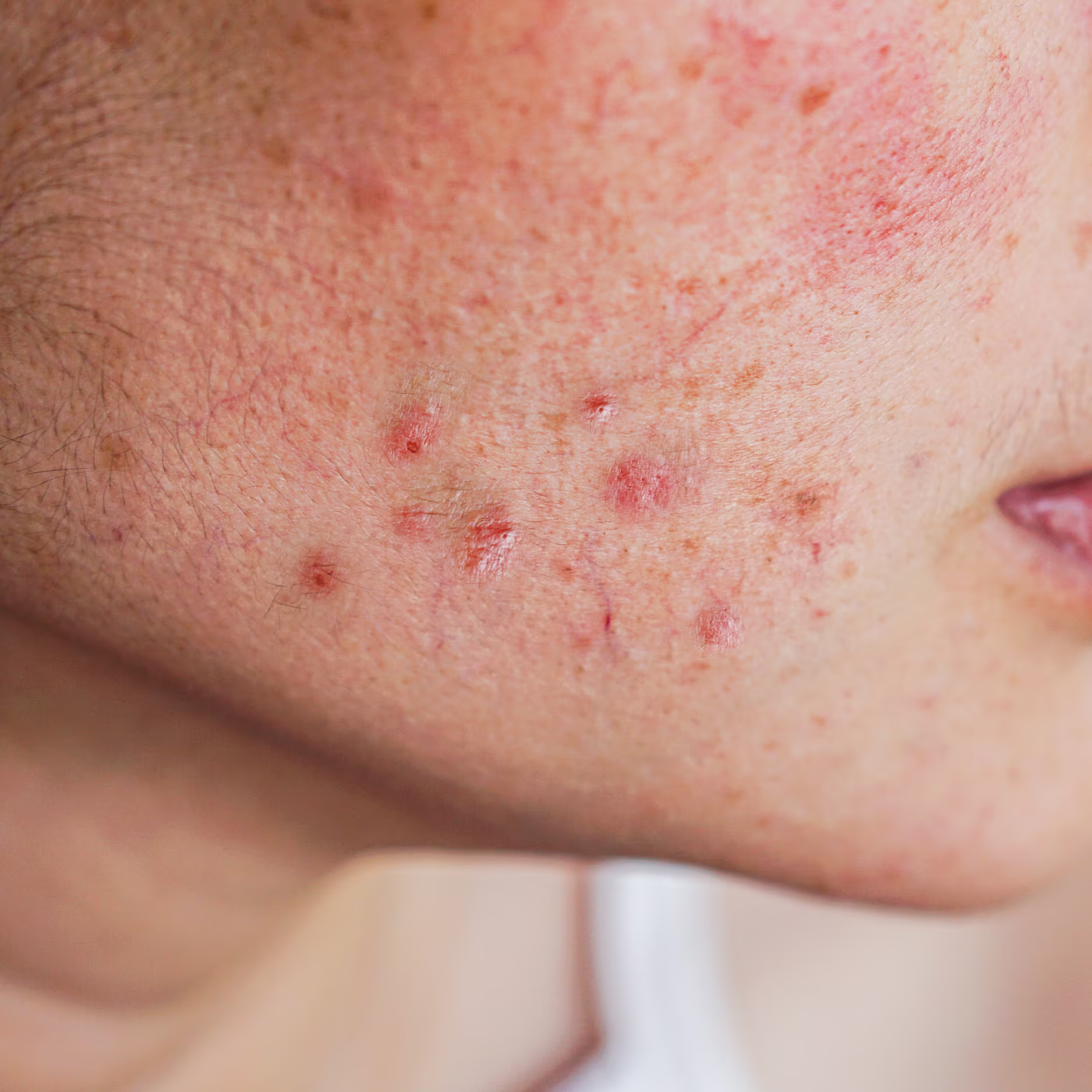
Aesthetic medicine and regenerative options. PCOS often shows up on the skin as acne, unwanted hair growth, or hair loss. These concerns are as real and frustrating as the hormonal imbalance underneath. If skin health matters to you, the team can address both the internal hormonal picture and external skin concerns in one plan. Read more about our integrative approach in naturopathic aesthetics. But naturopathic PCOS care is complete on its own. Aesthetics are additional options when they're important to you, not requirements.
The point is simple: naturopathic PCOS care works on its own. Additional options like IV support or aesthetic services are available for people who want them, but they're not necessary for the core protocol to be effective.
What to Expect: Realistic Timelines
Naturopathic PCOS care takes time because you're addressing root causes, not suppressing symptoms. Different systems move at different rates, and individual responses vary widely depending on your starting point, adherence, and life circumstances.
What we typically see in our clinic: most people notice something within 4 to 8 weeks if they're being consistent. Maybe energy gets better. Maybe digestion stabilizes. Then there's usually a quiet period from 8 to 12 weeks where labs shift but you don't necessarily feel different yet. By three to six months, most people see measurable hormonal changes. But timelines vary widely. Some people move faster. Others need more time depending on their starting point, how well they can implement changes, and their life circumstances.
Lab work becomes more useful around the three-month mark, when dietary and lifestyle changes have had time to register. Testing earlier can be demoralizing if nothing's changed on paper yet, even if you feel better.
The reason this timeline matters: you're building metabolic resilience and sustainable practices. You're not managing side effects of medication. That's slower upfront but it tends to hold.
Ready to Explore a Naturopathic Approach?
If you're in Vancouver and considering naturopathic care for PCOS, a consultation is the natural starting point. You'll leave with a clearer understanding of your specific picture and a concrete plan, whether that's targeted lab work, lifestyle shifts, or supplements worth trying.
The Naturopathic Team at FaceCrime Skin Labs offers personalized PCOS consultations. You'll discuss your cycle, symptoms, history, and goals. No judgment. No pressure. Just a clear path forward.
Common Questions About Naturopathic PCOS Care
Will a naturopath replace my current doctor?
No. Naturopathic care works best alongside conventional medicine. If you're on medications, the Naturopathic Team will collaborate with your existing providers and monitor how dietary, supplement, and lifestyle changes affect your health markers.
How do you know which approach is right for me?
Every PCOS picture is different. The first step is thorough assessment: detailed intake, labs tailored to your situation, and discussion of your goals. A personalized plan follows from there.
Is naturopathic PCOS care covered by insurance?
Many extended health benefits cover naturopathic visits. Check your plan, and feel free to ask FaceCrime directly about typical costs and coverage.
Can naturopathic medicine help with PCOS-related fertility?
Many people with PCOS see improved cycle regularity and metabolic health through naturopathic care, which can support fertility. Some situations also call for fertility specialists, and the Naturopathic Team works collaboratively with reproductive endocrinologists when needed.
The Takeaway
PCOS is complex, but it isn't unsolvable. A naturopathic approach doesn't ignore the science. It deepens it by asking why your body is responding this way and what it actually needs to rebalance.
Every person's PCOS picture is different. What works for your friend might not work for you, and that's normal. The work is figuring out what's true for your body, then building a plan around that.
If you want more than symptom management, a provider who treats hormones, metabolism, stress, and gut as connected parts of one system, and a plan built specifically for you rather than a generic protocol, a naturopathic consultation is worth exploring.